
flyjev · how to ask · September 30, 2026
The same photo. The same model. Two answers.
Nothing changed in the image, the model, the machine or the temperature. One sentence changed in the prompt — 43 tokens — and 33 of the 121 photos switched their answer. This page shows it photo by photo.
The two questions
short prompt · 347 tokens
Is there anything yellow in the image(s)
with the boundary · 390 tokens
Is there anything yellow in the image(s). Yellow means clearly yellow. Orange, amber, gold, tan, cream, brown and greenish-yellow are NOT yellow
The second question doesn't teach the model to see better. It declares where yellow ends — a piece of information that lived only in the labeler's head.
Six photos that switched sides
Each card shows the probability the model gave to yes, there is yellow under both prompts. The ground truth for all of them is no.

orange_cat_06.jpg · truth: no
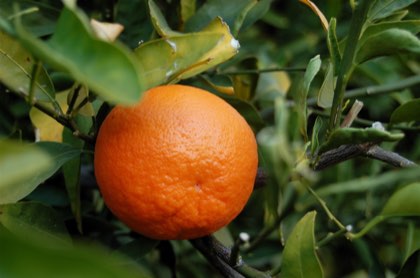
tangerine_04.jpg · truth: no
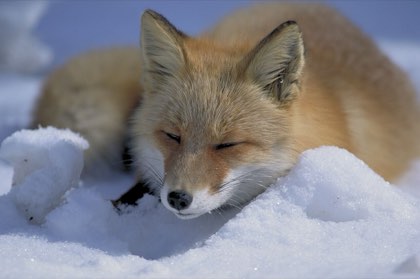
red_fox_02.jpg · truth: no
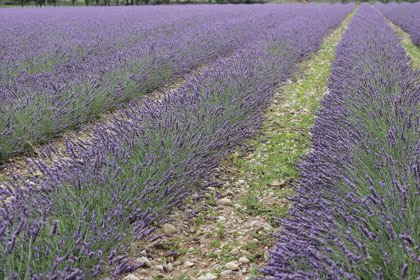
lavender_field_06.jpg · truth: no

white_dog_04.jpg · truth: no

blue_door_02.jpg · truth: no
Notice that it isn't only the answer that changes. With the short prompt the model answered wrong with 0.9 confidence — it wasn't in doubt, it was confident in the wrong reading. No threshold would save that: the missing information wasn't in the probability, it was in the question.
The full count of the 121 photos
| what happened | photos |
|---|---|
| was wrong, became right | 33 |
| was right, became wrong | 1 |
| wrong with both prompts | 1 |
| right with both prompts | 86 |
| net | +32 photos |
The price, which is also data
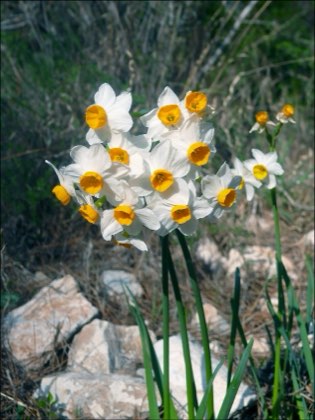
daffodil_03.jpg · truth: yes
A daffodil. Yellow beyond discussion, and the boundary took it along — from absolute certainty to a wrong "no".
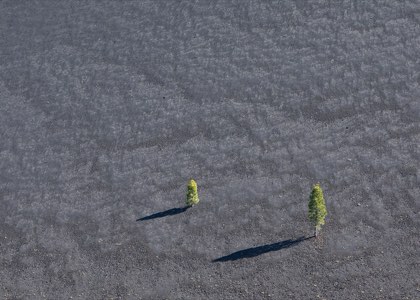
pine_tree_08.jpg · truth: no
The stubborn one. The boundary lowered the confidence but didn't change the answer. Still wrong.
The daffodil is the real cost of tightening the definition: by excluding yellow's neighbors, a small, legitimate yellow was excluded with them. We traded 33 hits for 1 miss — a good deal, and still a miss.
The lesson that holds beyond yellow.
When your classifier is wrong, the first question is not "which model is bigger". It is is the rule I use to correct the answer written in the question? If the rule lives in the ground truth, in an internal manual or in the reviewer's head, no model will guess it — and switching models costs much more than 43 tokens.